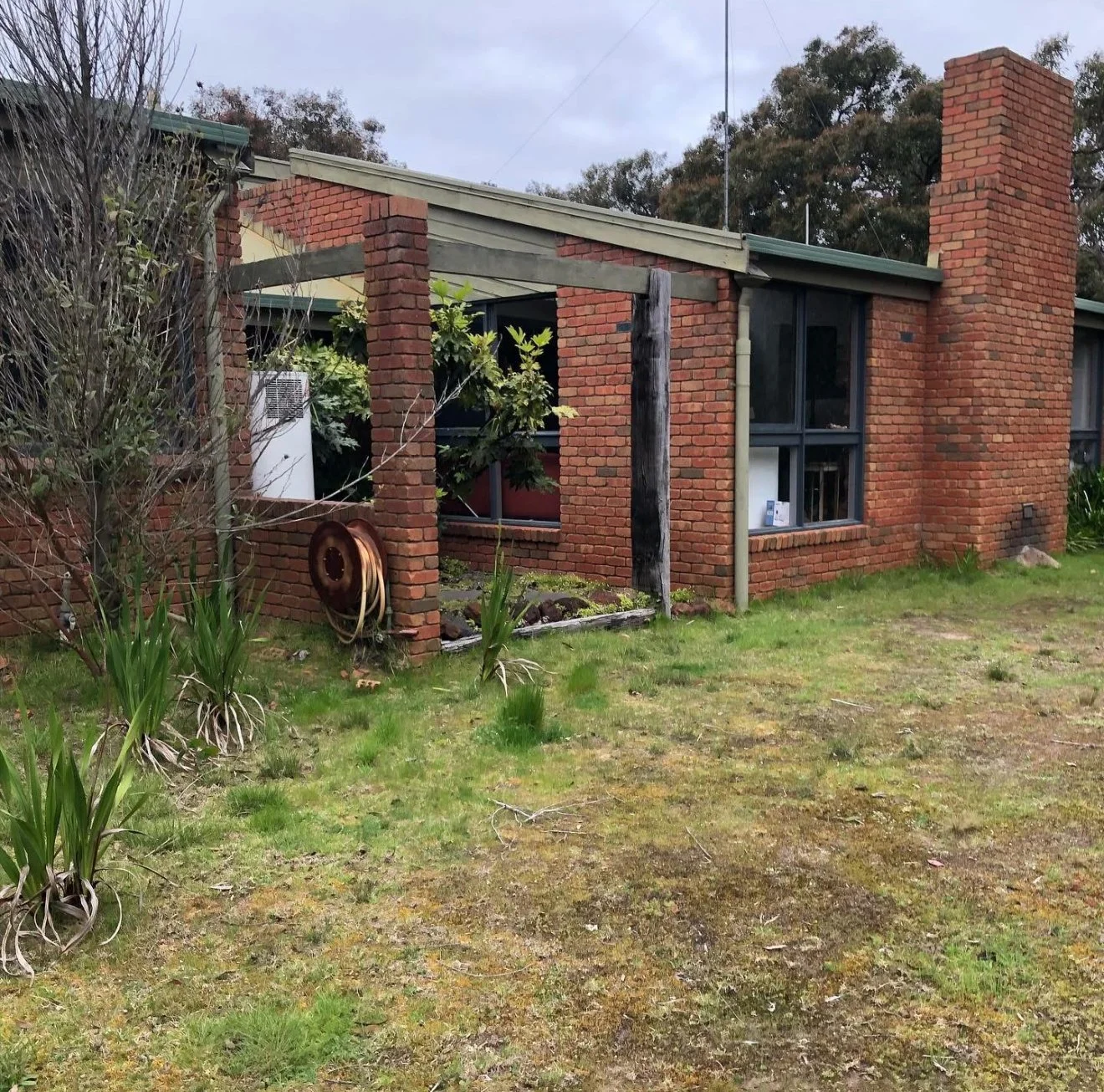
There are thousands of them on the Surf Coast. Brick veneer or timber, low ceilings, dark interiors, a deck that faces southwest, and a layout that made sense in 1983 but doesn't suit how anyone lives today. Everyone who buys one has a plan. Most of those plans encounter the same set of surprises.
I've renovated a lot of these houses over the years — and I've also designed new homes on the same sites after clients concluded that renovation wasn't going to get them where they wanted to be. Here's an honest account of what renovating a 1980s beach house actually involves on the Surf Coast.
Why the 1980s beach house is such a common challenge
The beach houses built across the Surf Coast in the late 1970s and 1980s share a set of characteristics that create consistent renovation challenges. They were built to the standards and expectations of their time — which means low thermal performance, modest ceiling heights (typically 2.4 metres), east-west oriented layouts that often ignore passive solar principles, and floor plans organised around the television rather than the landscape.
Many of them were holiday houses — designed for infrequent use, not everyday living. They have minimal storage, inadequate laundry facilities, bathroom configurations that predate any concept of an ensuite, and kitchens that would be unrecognisable to anyone who's cooked seriously in the last 20 years.
They're also, in many cases, sitting on very good blocks. The reason buyers keep buying them despite their deficiencies is simple: the site is exceptional and the house is cheap relative to what the land is worth. The question is always whether the house can be made into what you want — and at what cost.
The structural issues that change everything
Before committing to a renovation scope, a thorough building inspection — not a standard pre-purchase inspection, but a detailed structural assessment — is essential. The issues I've seen consistently in 1980s Surf Coast brick veneer include: rising damp in subfloors and lower walls; asbestos in wall linings, roof sheeting, flooring underlays, and wet area linings; termite damage to timber framing; undersized roof framing that can't accommodate modern insulation without replacement; and deteriorated steel lintels above windows and doorways.
None of these issues is necessarily fatal to a renovation — but each one changes the scope and cost. Asbestos removal alone, when it's in multiple locations, can add $30,000 to $60,000 to a project budget. If the investigation reveals extensive asbestos, subfloor rot, and termite damage simultaneously, the financial case for renovation relative to a new build weakens considerably.
The orientation problem — when the living room faces south
One of the most common functional problems in these homes is that the main living area and primary outdoor connection are oriented in the wrong direction. A living room facing south or southwest on the Surf Coast is cold in winter and doesn't connect naturally to the garden.
Sometimes this can be addressed by reconfiguring the floor plan — relocating the kitchen and living areas to the north side of the house, creating a new connection to an outdoor space on the better aspect. Sometimes the structure of the existing building makes this impractical or prohibitively expensive. On a single-storey brick veneer house, load-bearing walls are often exactly where you'd want to open up a room.
This is the central design question in any 1980s beach house renovation: is the fundamental configuration of the house workable, or is it an obstacle that renovation can't fully overcome?
Low ceilings — the fixes that work and the ones that don't
At 2.4 metres, the ceiling height of a typical 1980s beach house is functional but limiting. Raising ceilings is one of the most requested modifications — and one of the most expensive when it involves changing the roof structure.
There are ways to create the perception of more height without structural roof work. Removing the plasterboard ceiling to expose the roof structure, adding highlight windows or clerestories, and using vertical elements and high joinery can all create a sense of greater spaciousness. But these are design strategies, not engineering solutions. If you genuinely want higher ceilings throughout a brick veneer house, the cost of structural reworking needs to be factored into the budget honestly.
When the economics say start fresh
The decision point I use with clients is roughly this: when the cost of achieving the desired outcome through renovation approaches 65 to 70 percent of the cost of a new build on the same site, the argument for starting fresh becomes compelling. You get a home that performs better thermally, has no hidden remediation costs, meets current construction standards throughout, and will likely have higher resale value.
This calculation is particularly relevant when the existing home has significant structural or asbestos issues, when the orientation problem can't be adequately resolved, or when the client's brief genuinely requires more than renovation can deliver.
Some of the best renovation projects I've done have been on 1980s beach houses where the client trusted the process. Some of the projects I'd have advised against became new builds when the scope of the hidden issues became clear. Both outcomes are fine — but knowing which you're in before you start saves enormous expense.
Three transformations worth knowing about
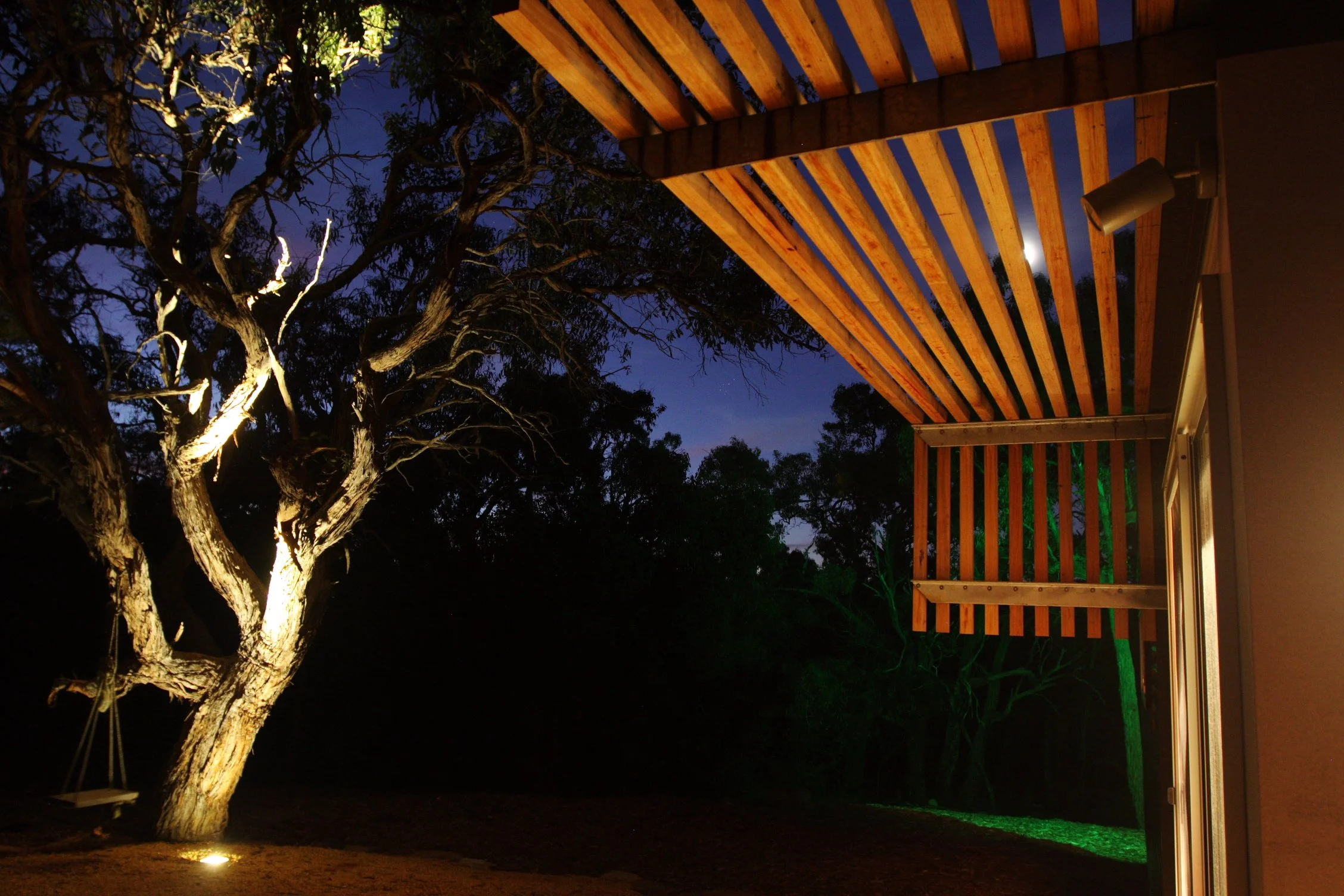
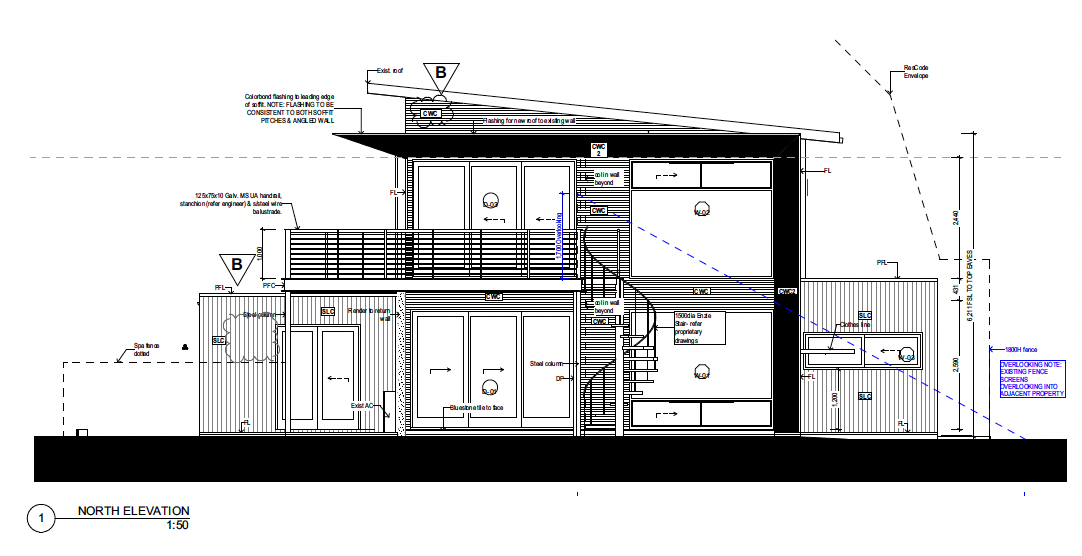
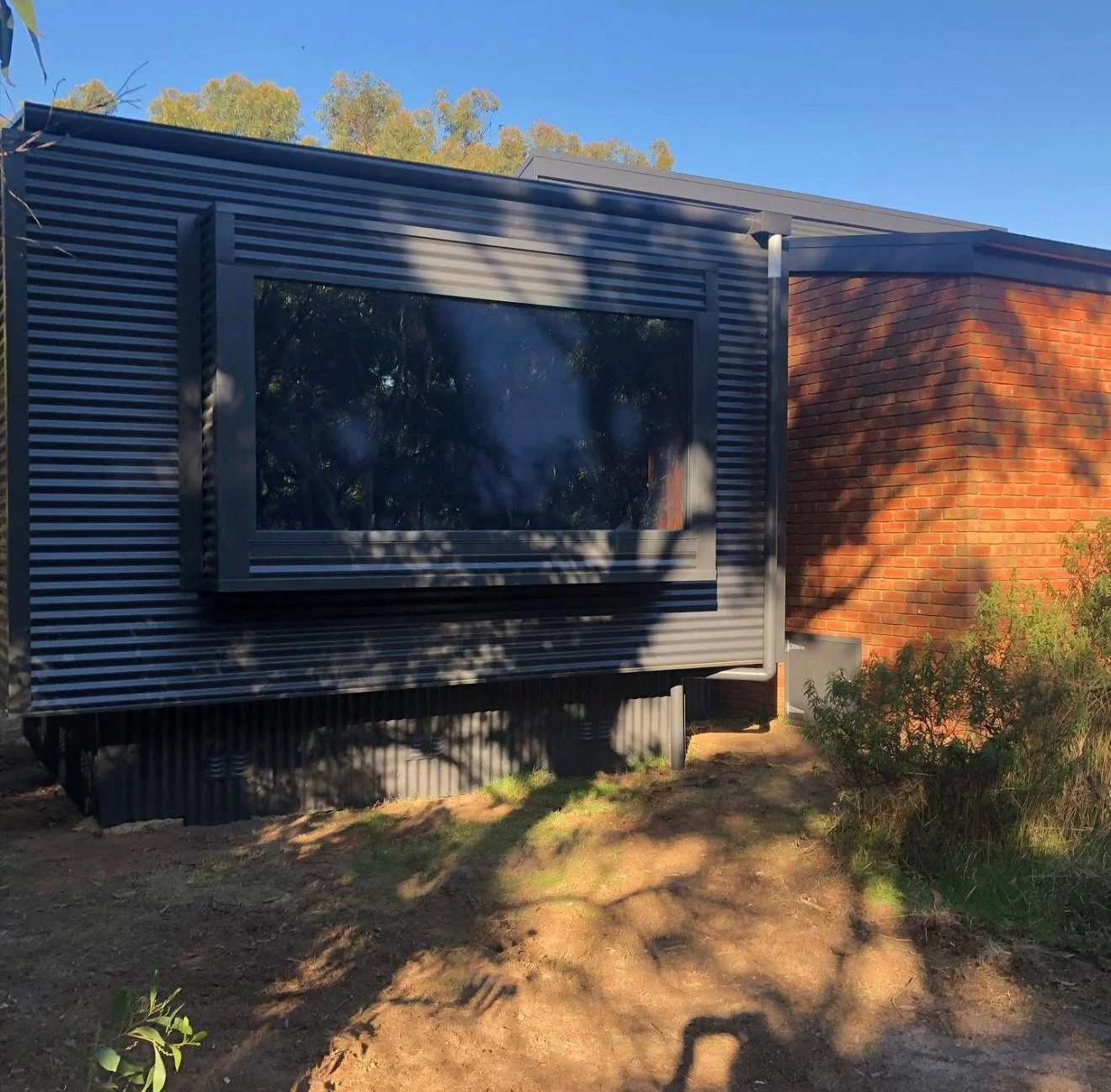
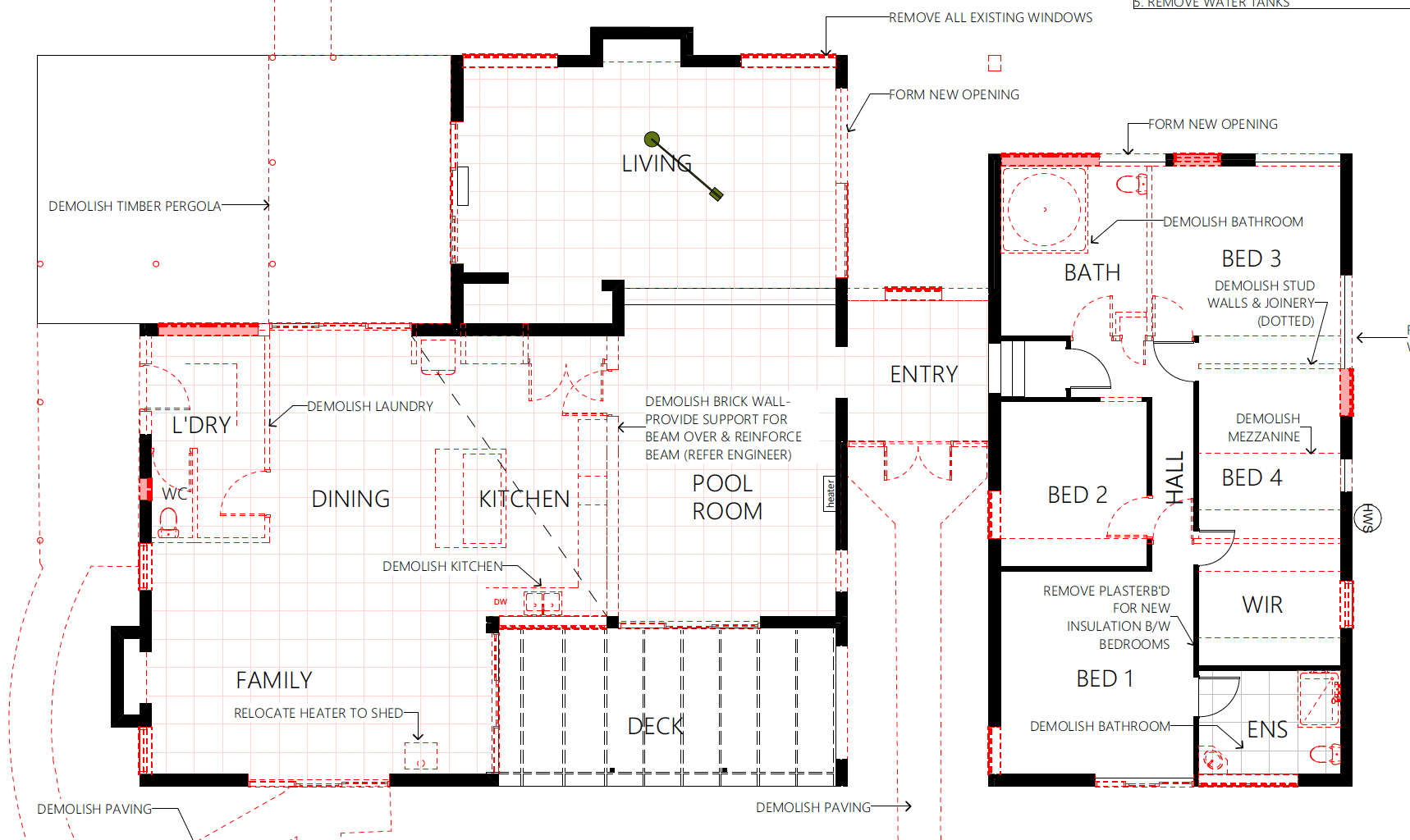
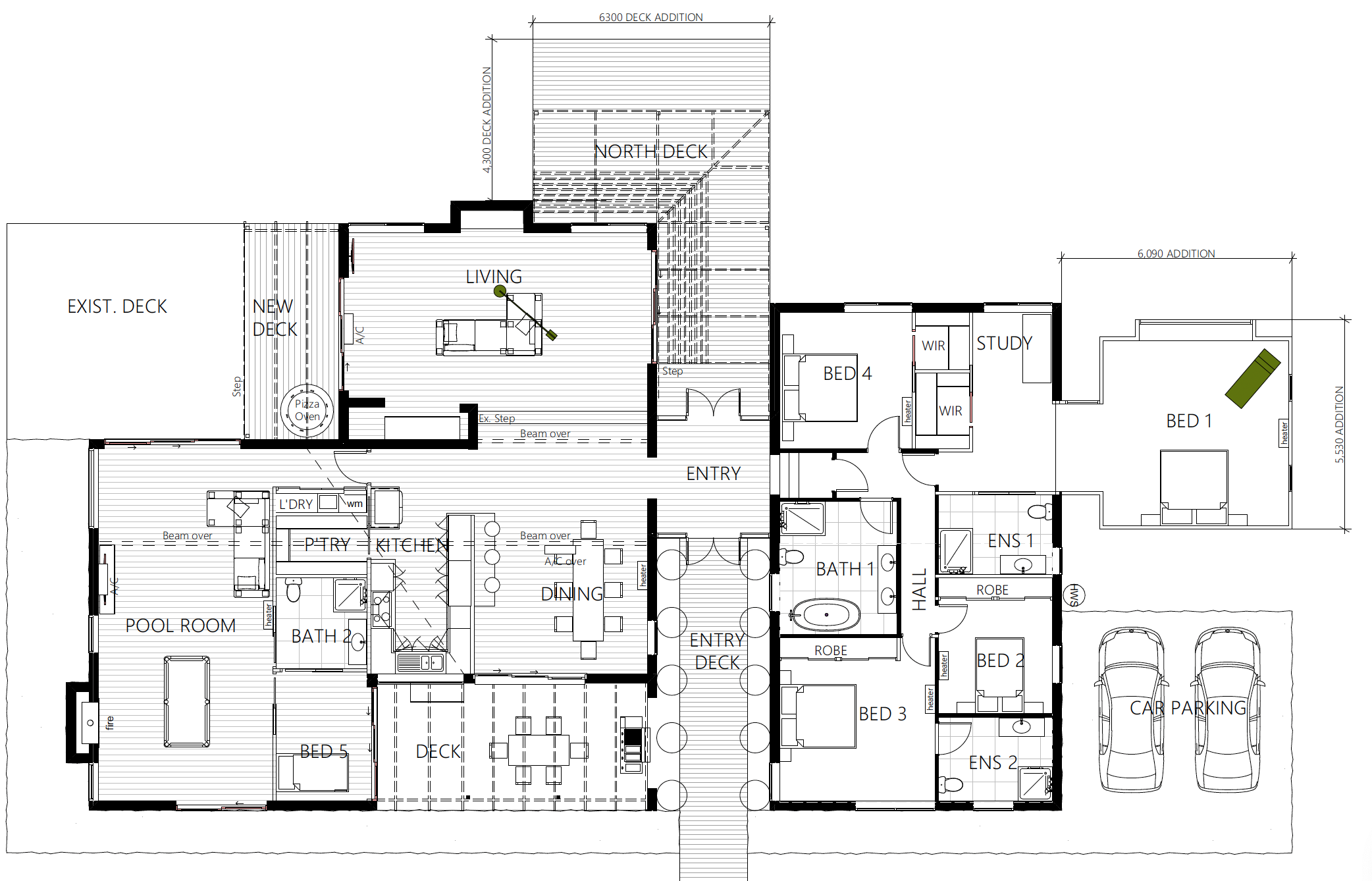
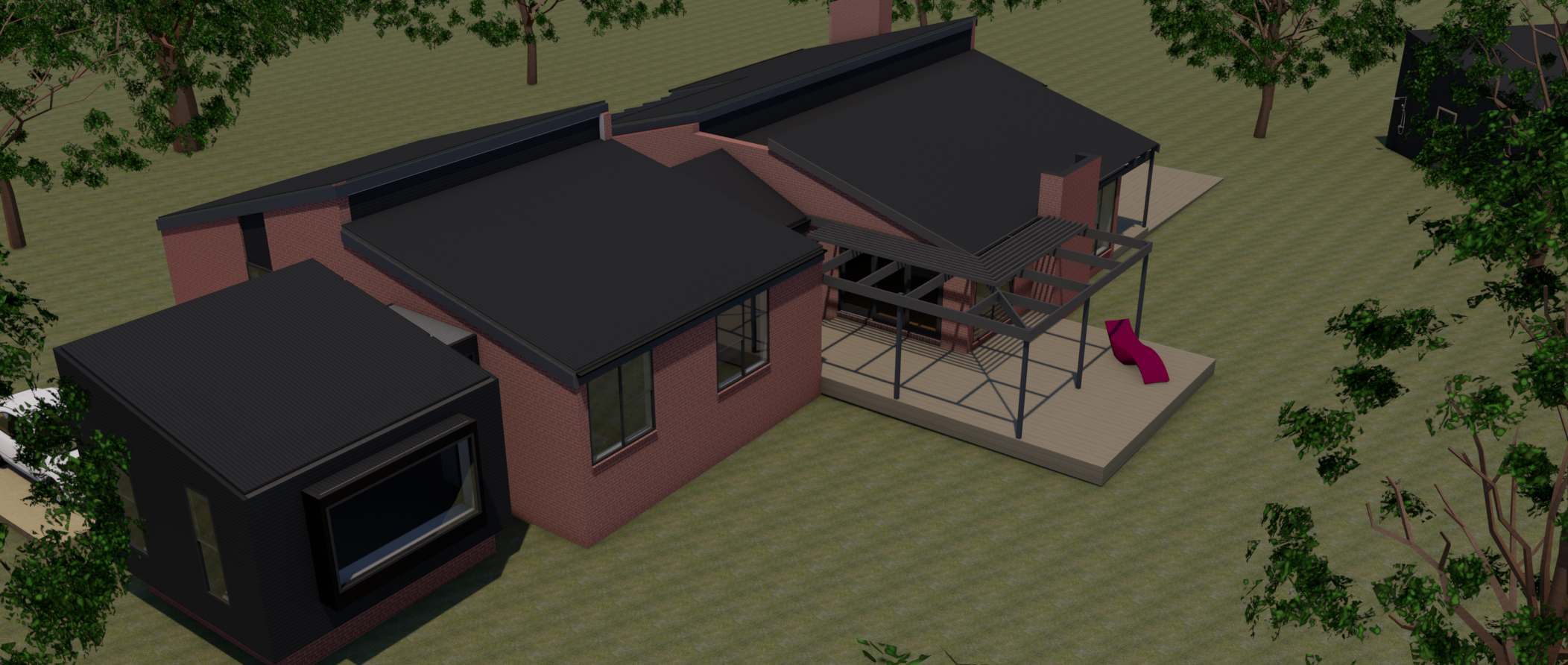
I've renovated several 1980s brick beach houses on the Surf Coast into genuinely impressive homes. The common thread in the successful ones: the existing building was structurally sound, the fundamental configuration was workable (or capable of being made workable), and the client's brief was realistic about what renovation could achieve. The unsuccessful ones — the ones that either stalled mid-project or cost far more than anticipated — almost always had one of the structural issues described above that wasn't fully understood at the outset.
Have a tired beach house and wondering what's possible? Bring Jeremy in before you get builder quotes — early architectural advice saves money and avoids expensive surprises. Call 0402 952 810.
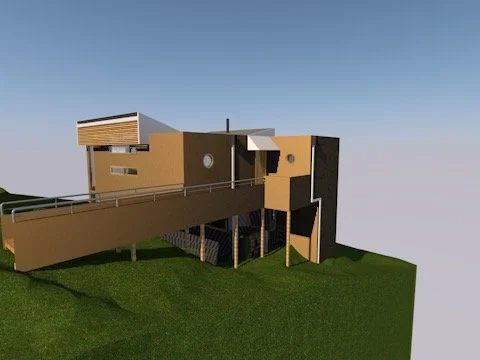
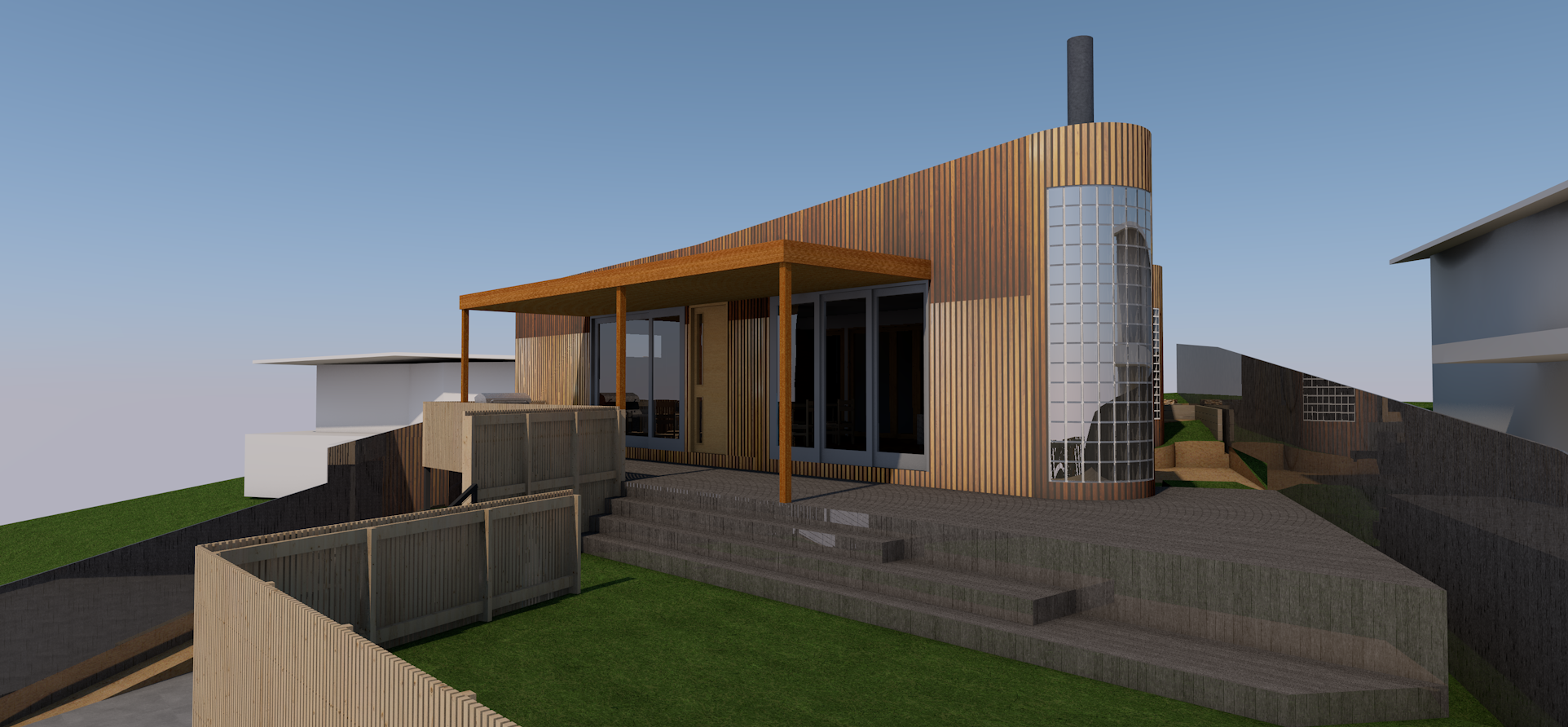
Lorne Rebuild project undertook substantial addition and alterations to a small 1980’s timber house.